
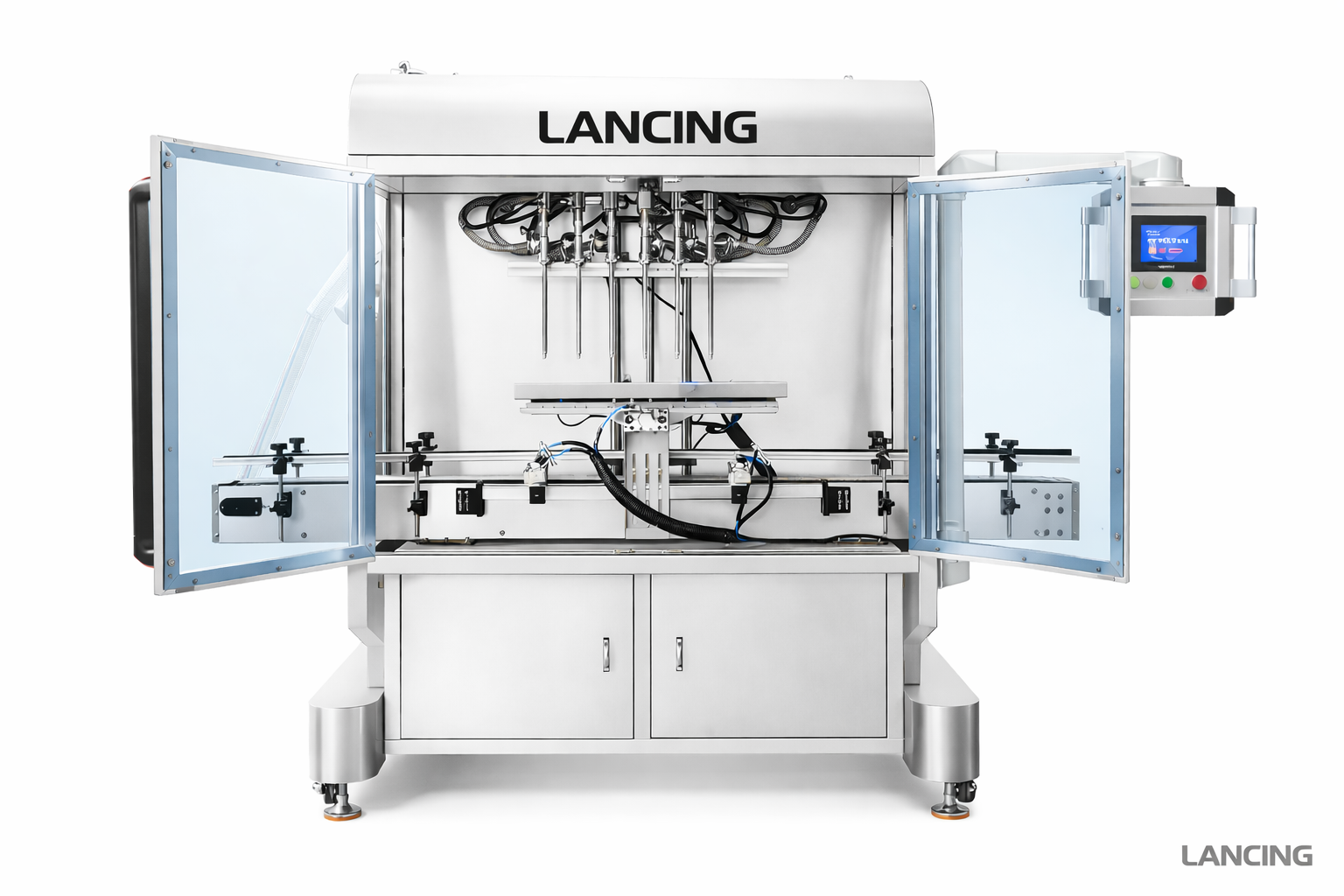
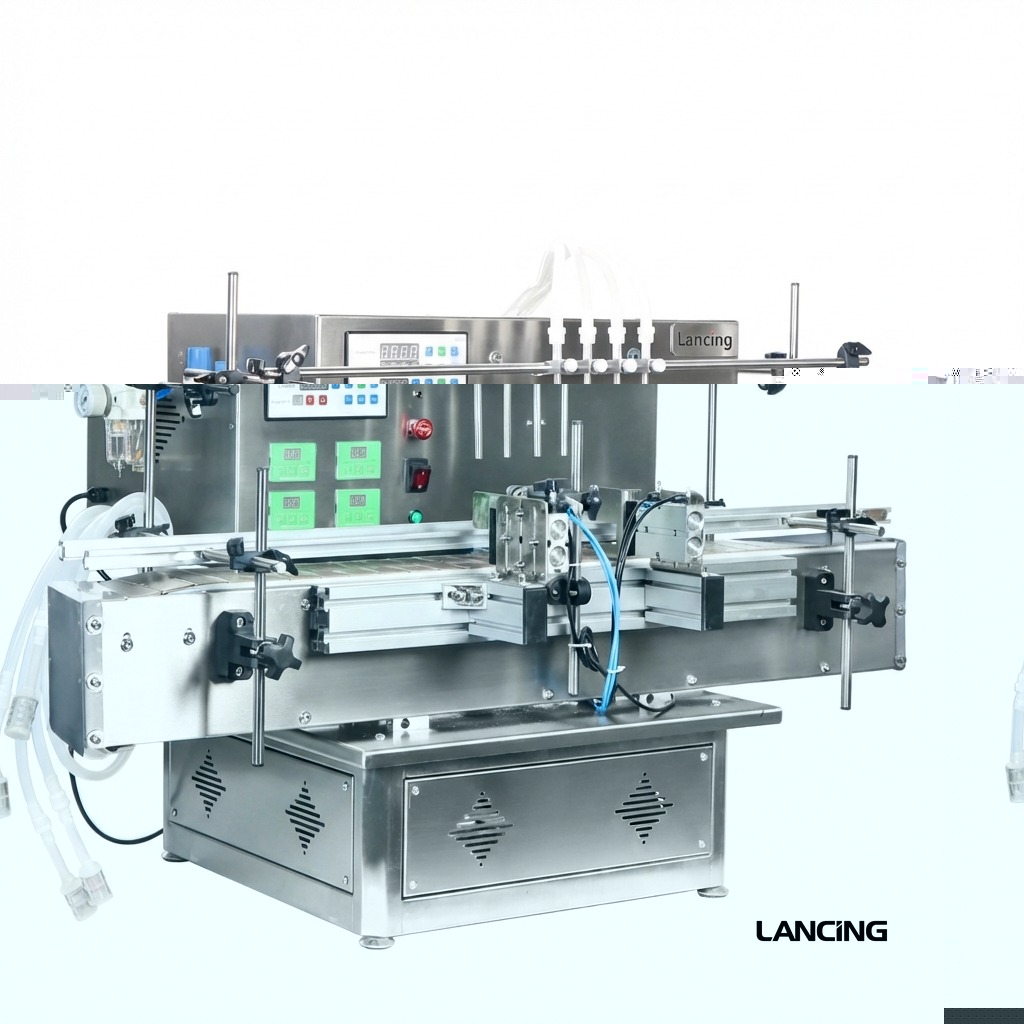
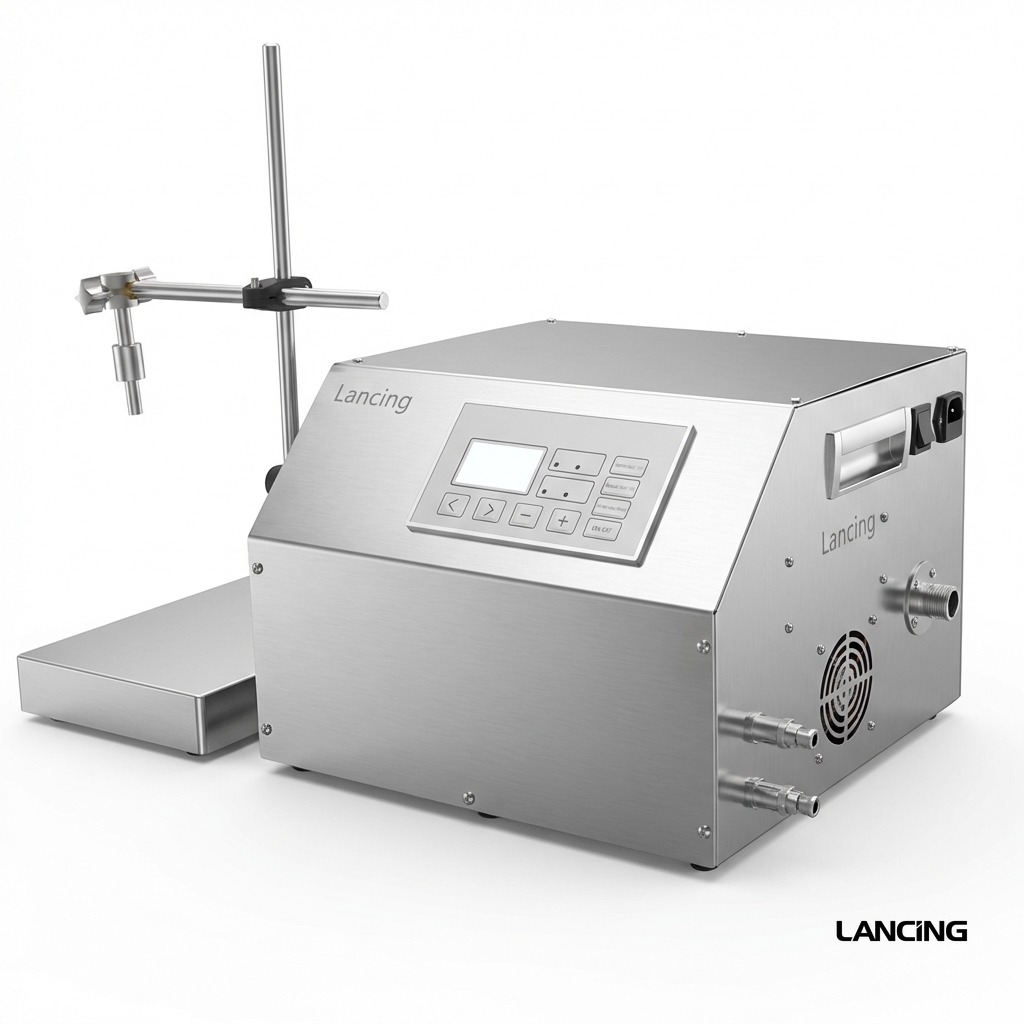
Why does product-supply pressure matter to a liquid filler?
Product-supply pressure matters because it can change the amount and condition of liquid entering the dosing element, particularly where the process depends on gravity, timed flow or a pump inlet condition. Changing tank level, hose routing or upstream pump response can alter priming, flow and nozzle shut-off. State the supply vessel, height, connection, pressure range and replenishment method so the filler is tested in a representative condition.
Can a liquid filler handle products that separate while standing?
A liquid filler can handle a product that separates only when the supply and dosing arrangement maintain an acceptable composition without damaging the product or introducing uncontrolled air. The answer may involve controlled agitation, recirculation or production-time limits, but each option can affect foam, temperature or particles. Trial samples after realistic hold times and pauses rather than immediately after mixing.
What causes air bubbles in a non-carbonated liquid fill?
Air bubbles in a non-carbonated liquid fill can come from agitation, a vortex in the supply tank, leaking suction connections, pump action, excessive return flow, nozzle impact or air already entrained in the product. Trace the air source before changing dose settings. A bottom-up filling sequence may reduce impact-related aeration in suitable packs, but it will not cure air entering upstream.
How should chemically aggressive liquids be reviewed before a trial?
Chemically aggressive liquids should be reviewed against every product-contact material, seal, hose, fitting, lubricant exposure and cleaning condition using current product information and a competent compatibility assessment. Provide the safety data sheet, concentration and temperature. Do not rely on a generic “stainless” statement. Hazardous-area or dangerous-substance duties require a separate site-specific review; the trial method must also protect people and the environment.