
Is the filling head the whole filling machine?
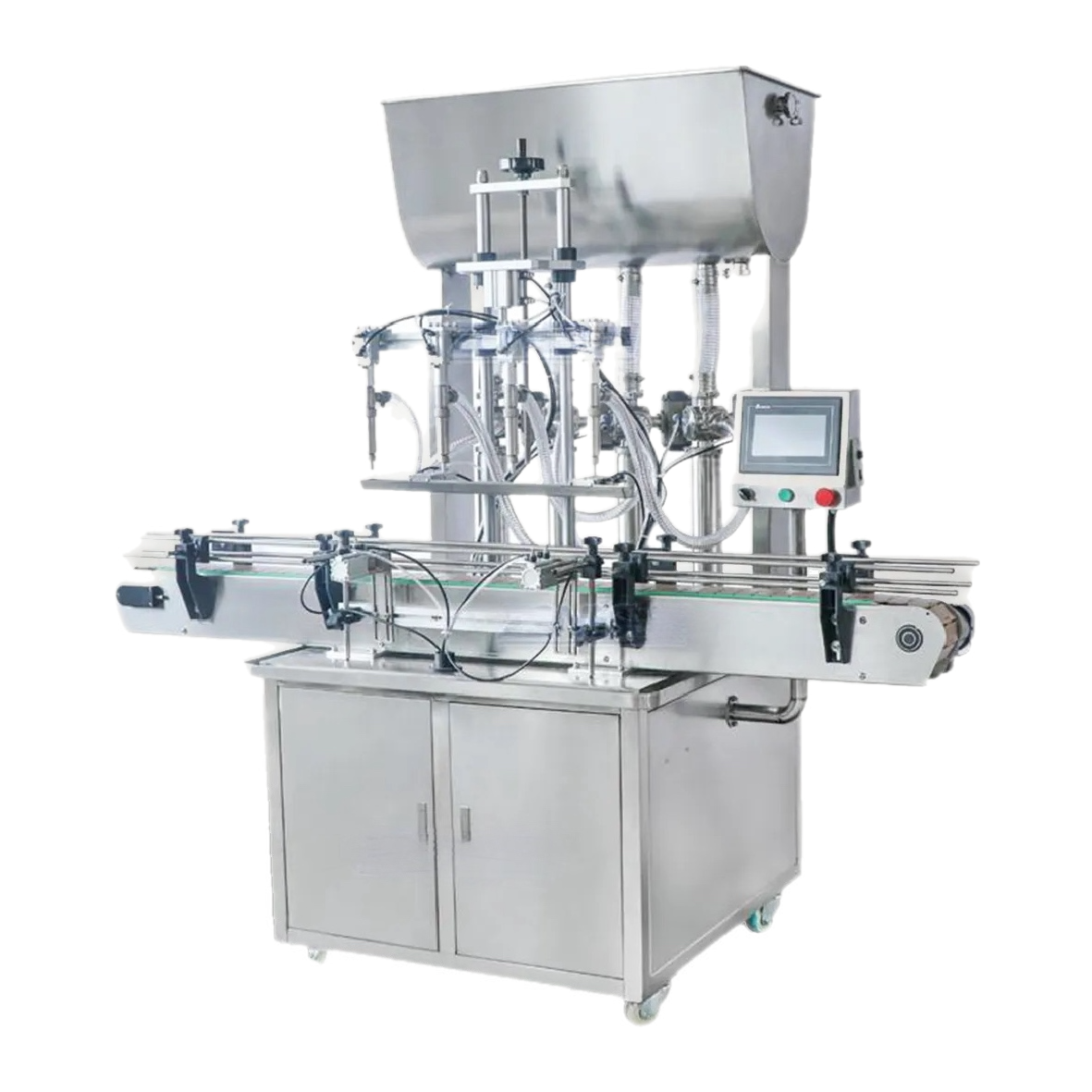
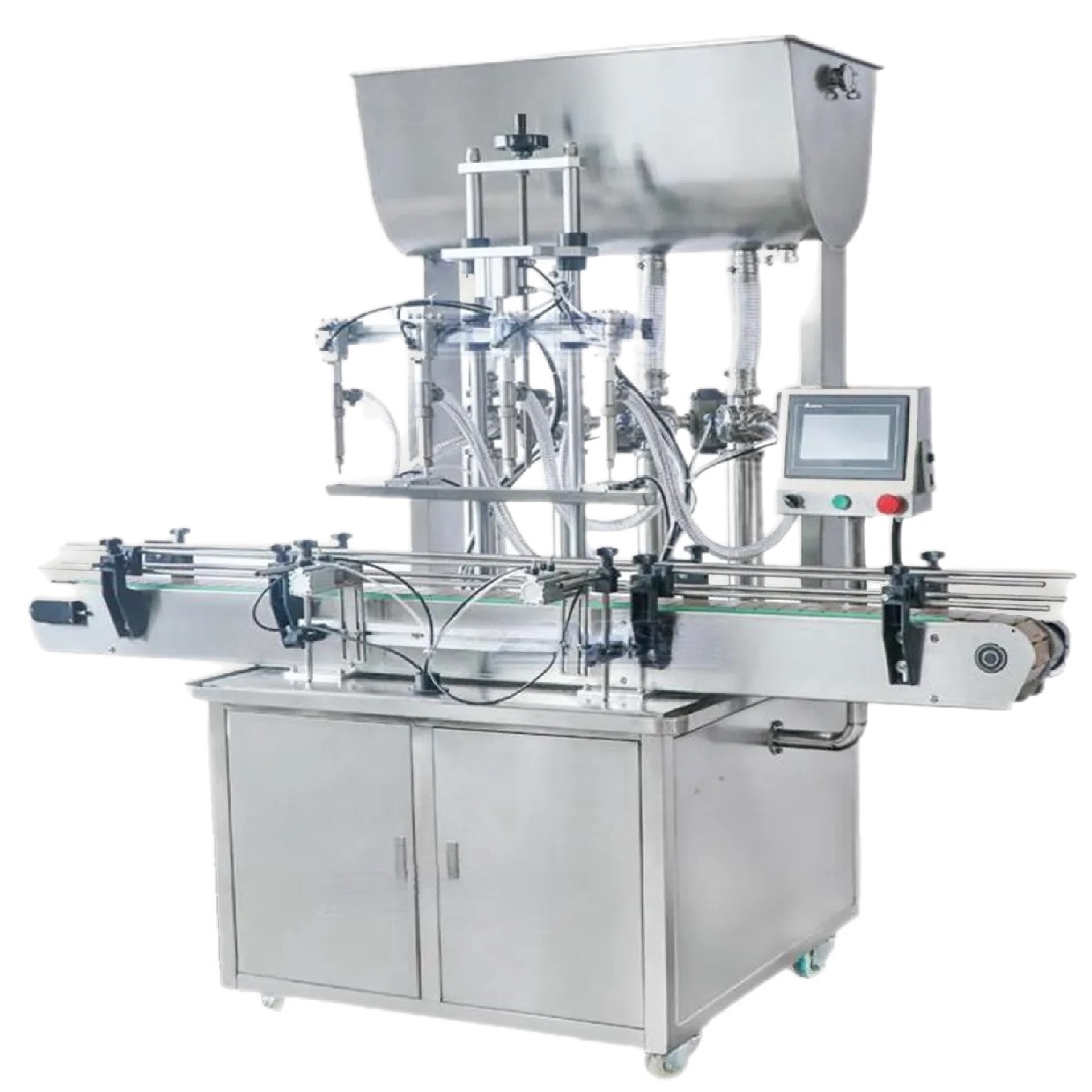
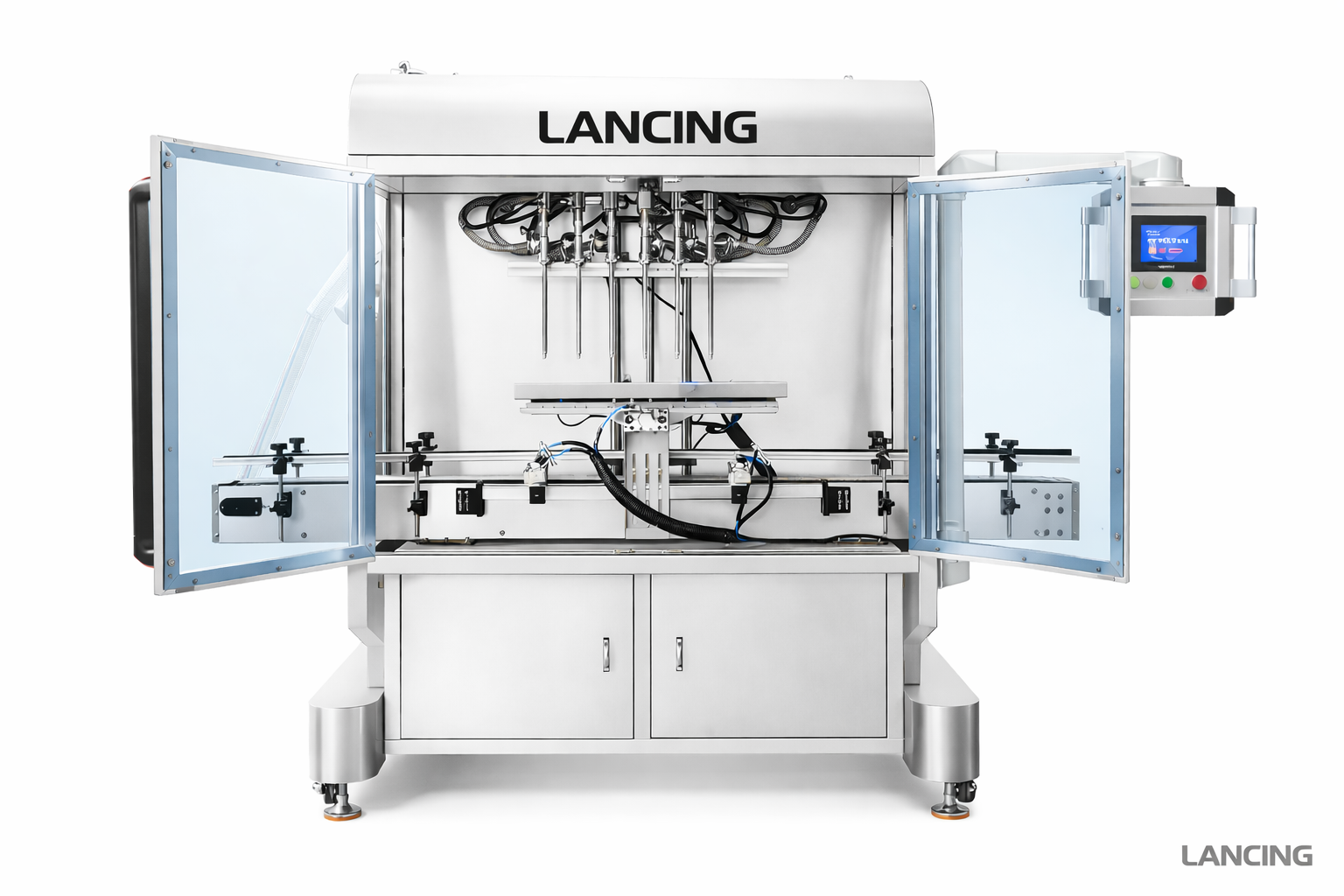
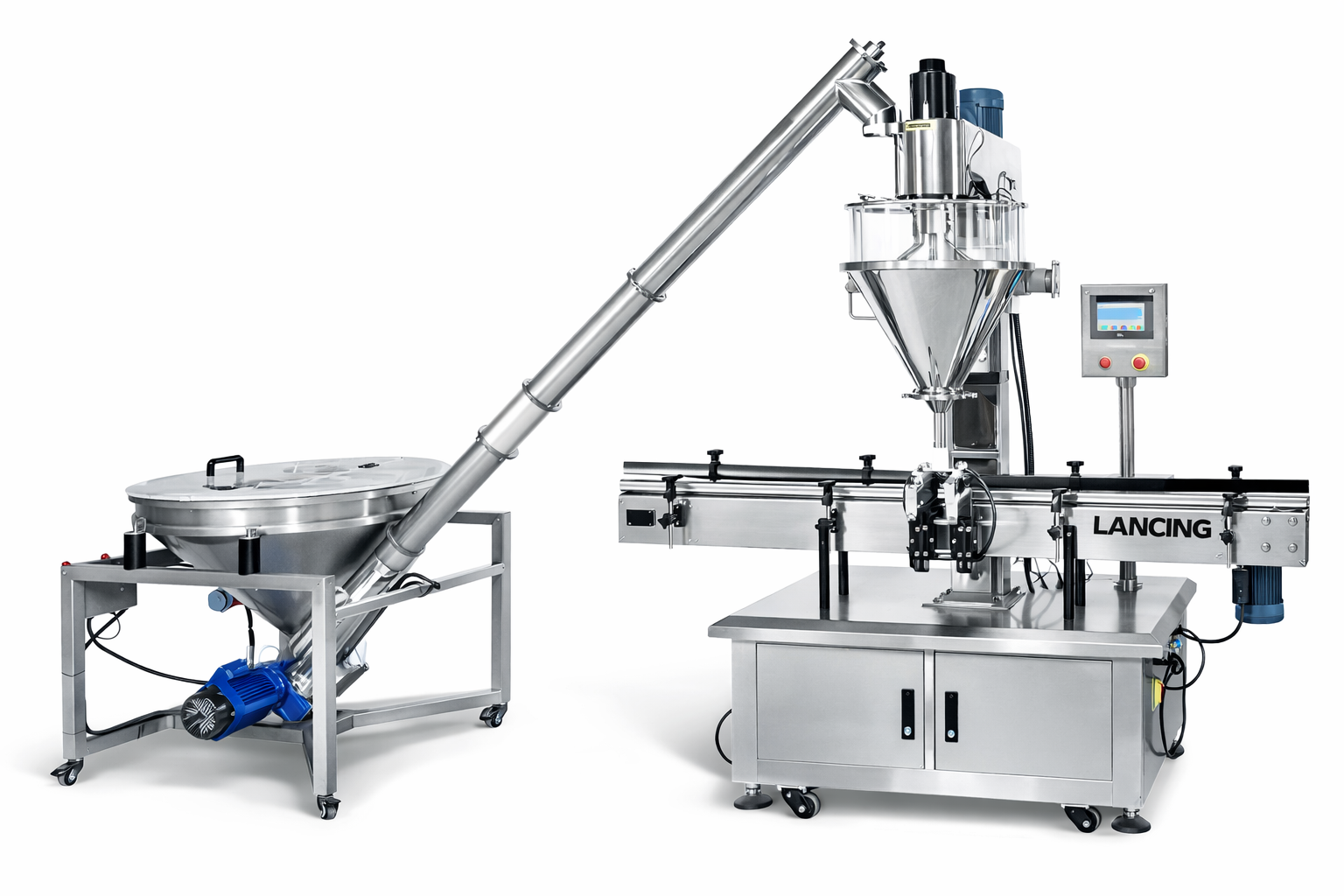
The filling head is not the whole filling machine; it is the delivery end of a wider process that includes product supply, metering, valves, hoses, container presentation, sensors, controls and often conveyors or guarding. A technically suitable nozzle cannot correct an unstable product feed or badly located container. Compare the complete process boundary and ask which upstream and downstream items are included, customer supplied or still to be designed.
What does product path mean in a filling-machine specification?
The product path is the complete route followed by product from the agreed supply interface to the nozzle exit, including every vessel, pump, dosing chamber, valve, hose, seal, fitting and manifold that can contact it. Mapping the path helps assess passage size, compatibility, drainage, retained product and cleaning. The product-contact parts guide gives a practical boundary checklist.
Can the same dosing principle be used in semi-automatic and automatic machines?
The same dosing principle can often be used in semi-automatic and automatic machines, but automation adds container sensing, indexing, interlocks, line states and recovery behaviour that must be engineered separately. A piston or pump may meter product in both cases, yet the automatic machine must decide when a safe container is present and what happens when the line blocks. Choose the dosing principle and automation architecture as linked decisions.
Why should a filling-machine comparison include the complete pack process?
A filling-machine comparison should include the complete pack process because accepted output depends on container presentation, product feed, filling, closure, labelling, inspection, rejects and operator work—not on the filler in isolation. A fast filler can remain starved by an infeed or blocked by a downstream machine. Write interfaces and states into the user requirement specification so proposals share the same boundary.