
Why do viscous products string after the nozzle closes?
Viscous products string when the product stretches between the nozzle and pack instead of separating cleanly at shut-off, often because of elasticity, tack, temperature, nozzle geometry or the cut-off profile. Suck-back, positive shut-off or nozzle movement may help in some products, but can also pull air or disturb the dose. Record string length, pack-rim cleanliness and residual nozzle product in a representative trial.
How can hopper level or feed pressure affect paste filling?
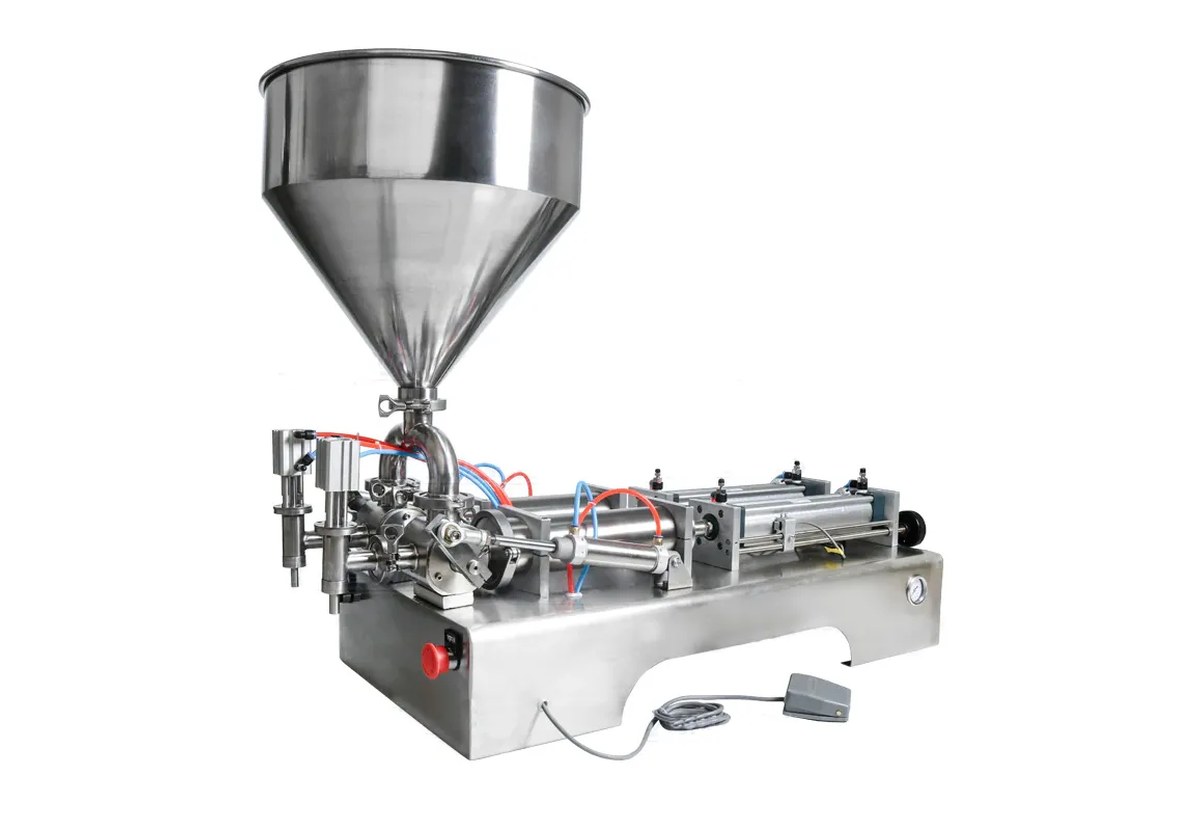
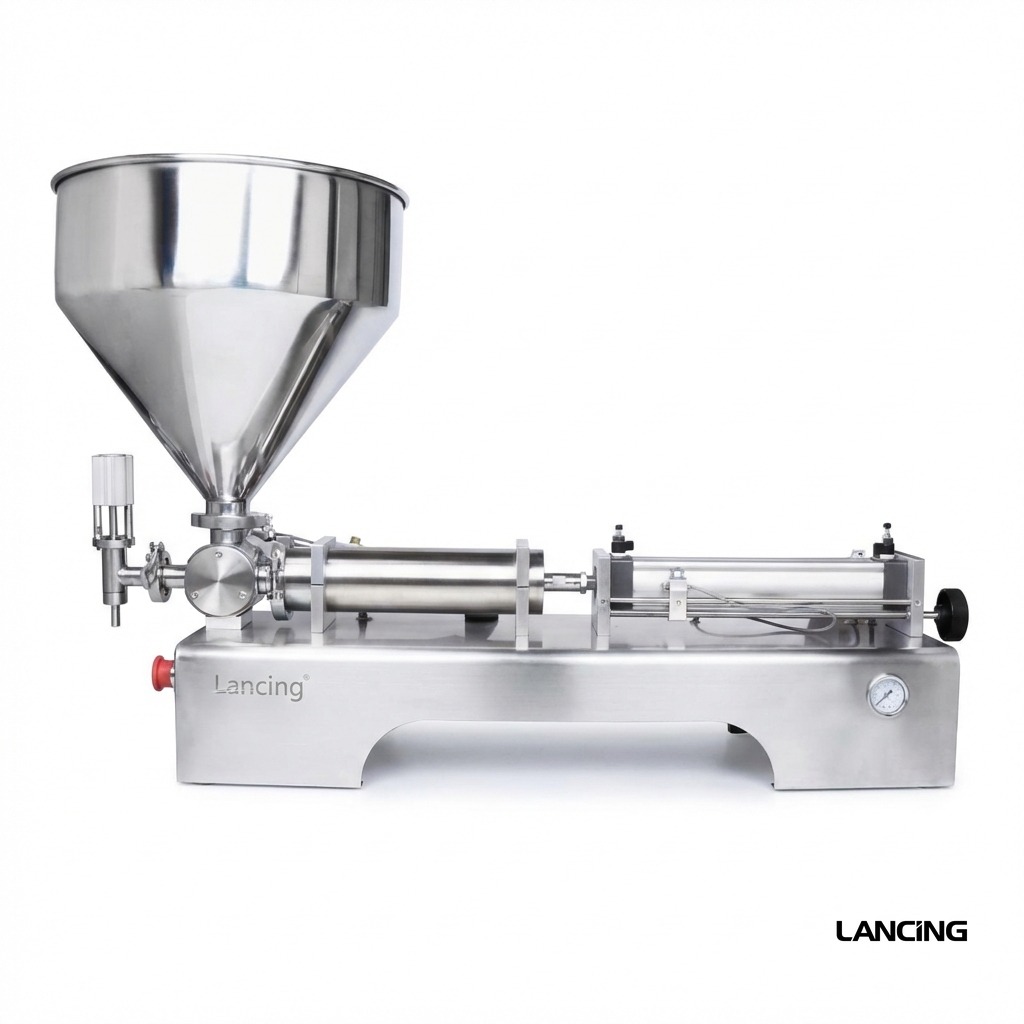
Hopper level or feed pressure can affect paste filling by changing the inlet condition presented to the piston or pump, particularly when the product is difficult to draw, contains air or flows differently as the vessel empties. Test at high, middle and low supply levels and during replenishment. A dose that is stable with a full hopper may drift or starve later in the run. The product-feed method should be included in the machine boundary.
What makes a viscous product difficult to draw into a piston cylinder?
A viscous product becomes difficult to draw into a piston cylinder when the inlet path, valve passage, suction time or product supply cannot refill the chamber consistently without cavitation, voids or separation. Temperature, particles and hose restrictions can make the condition worse. Increasing cycle time may help but changes output. Trial the largest dose and the coldest or most viscous expected product condition.
When should a rotor-pump route be compared with piston filling?
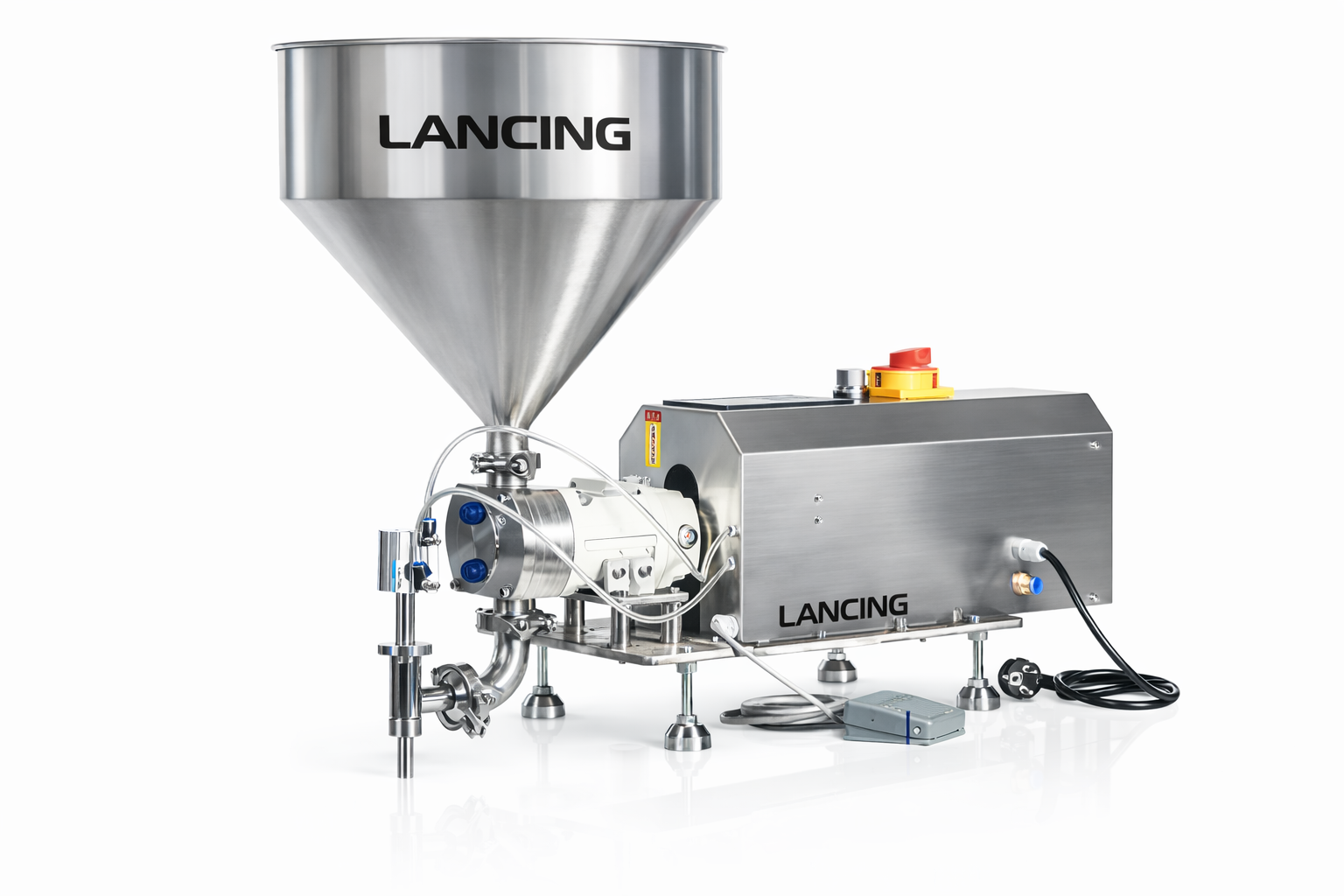
A rotor-pump route should be compared with piston filling when the product feed, dose range, continuous metering, particles, cleaning method or required line integration may be better served by controlled pump displacement. The comparison is product-specific. Review passage, shear, priming, run-dry behaviour, retained product and shut-off. For products with pieces, use the particle-filling guide to define the trial.