
What is the difference between a monoblock and a linked filling line?
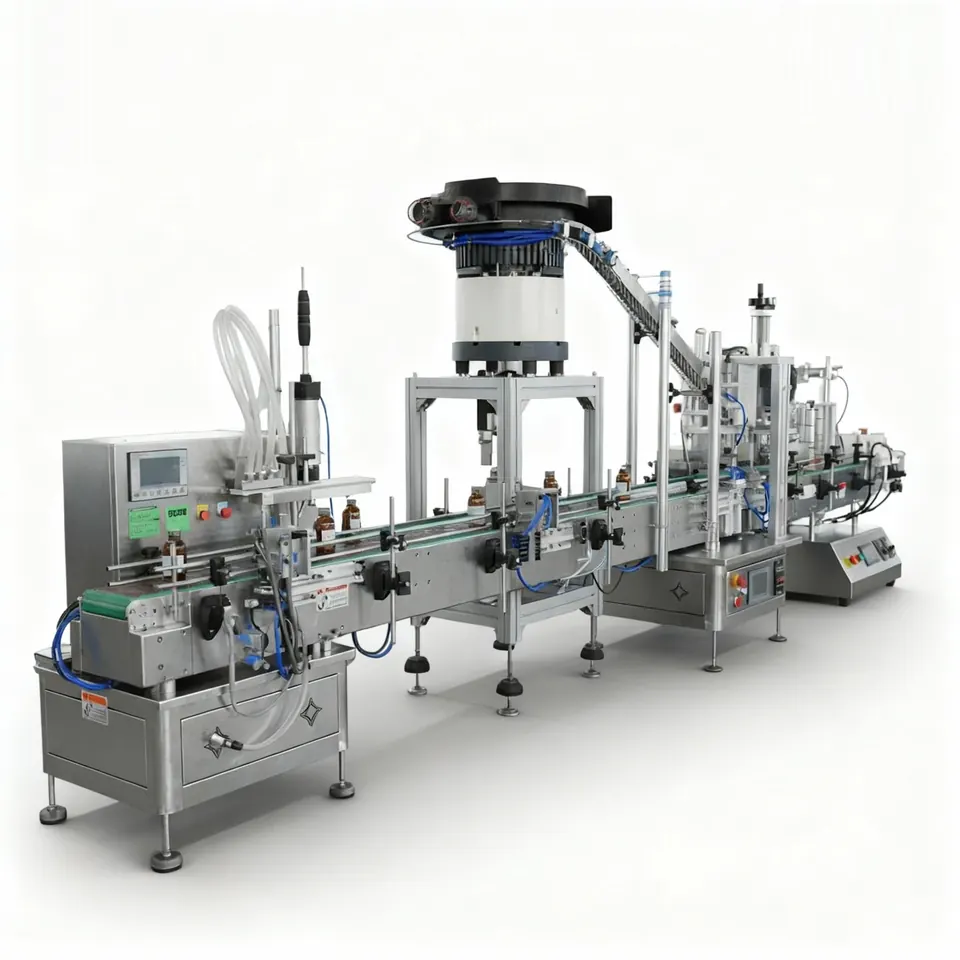
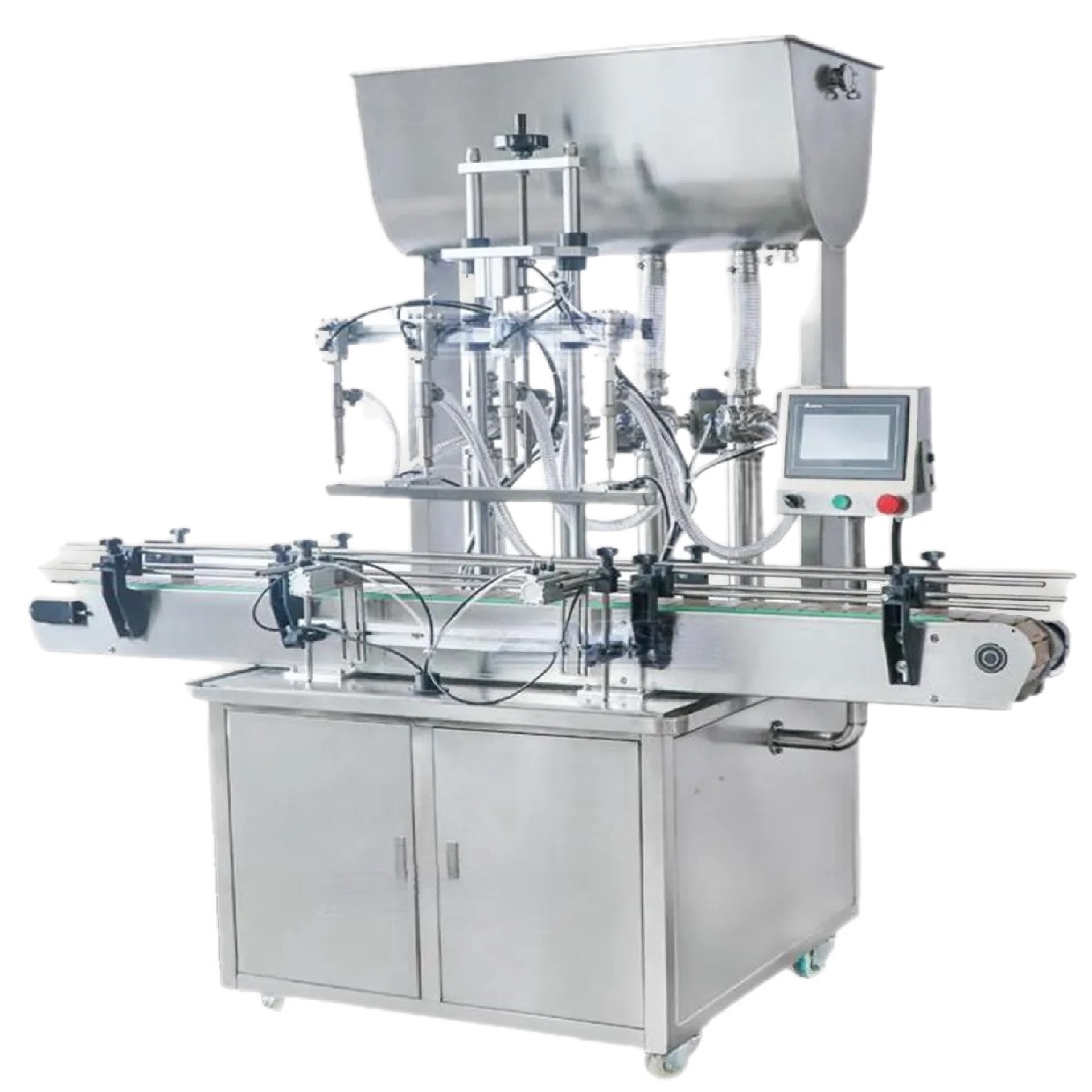
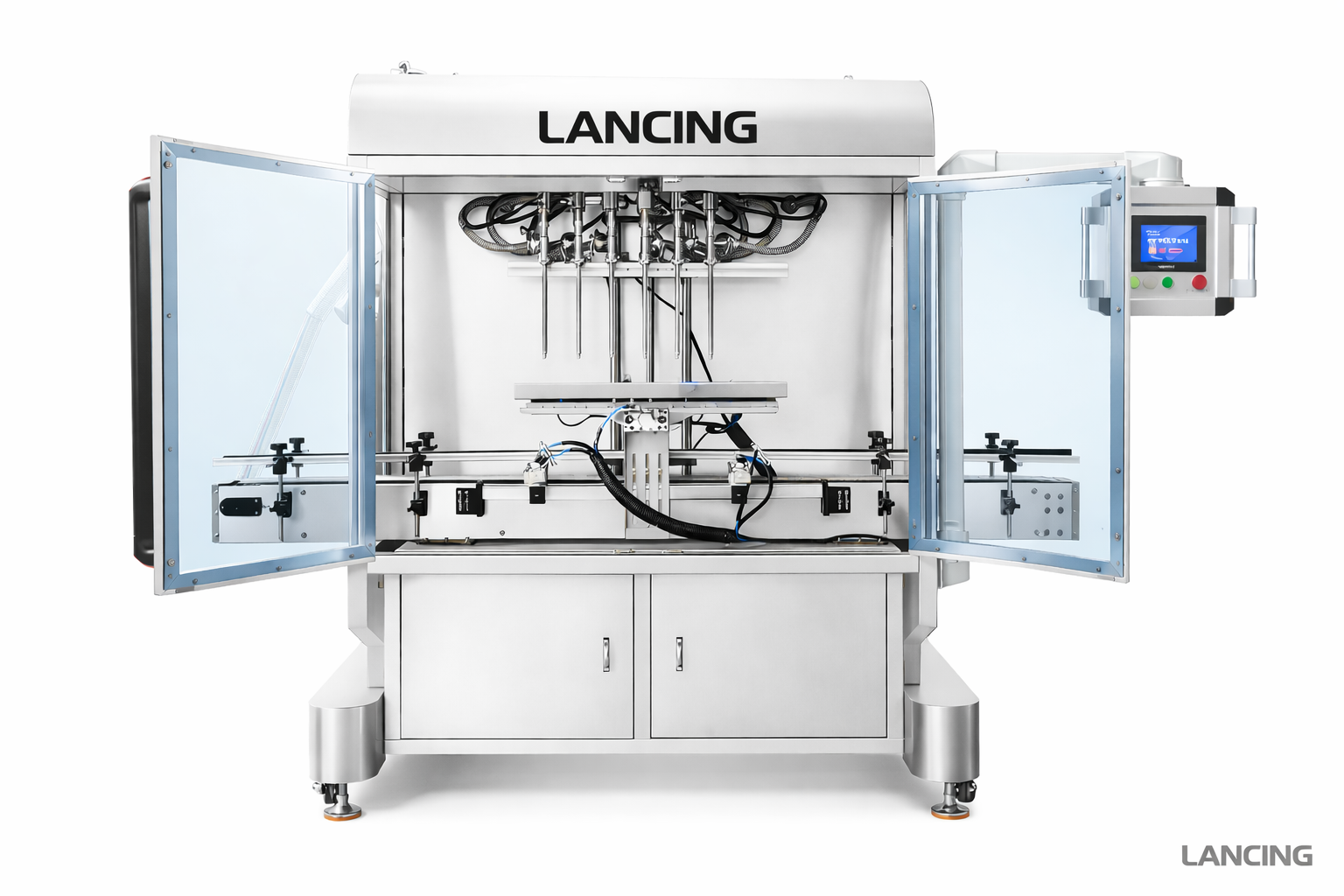
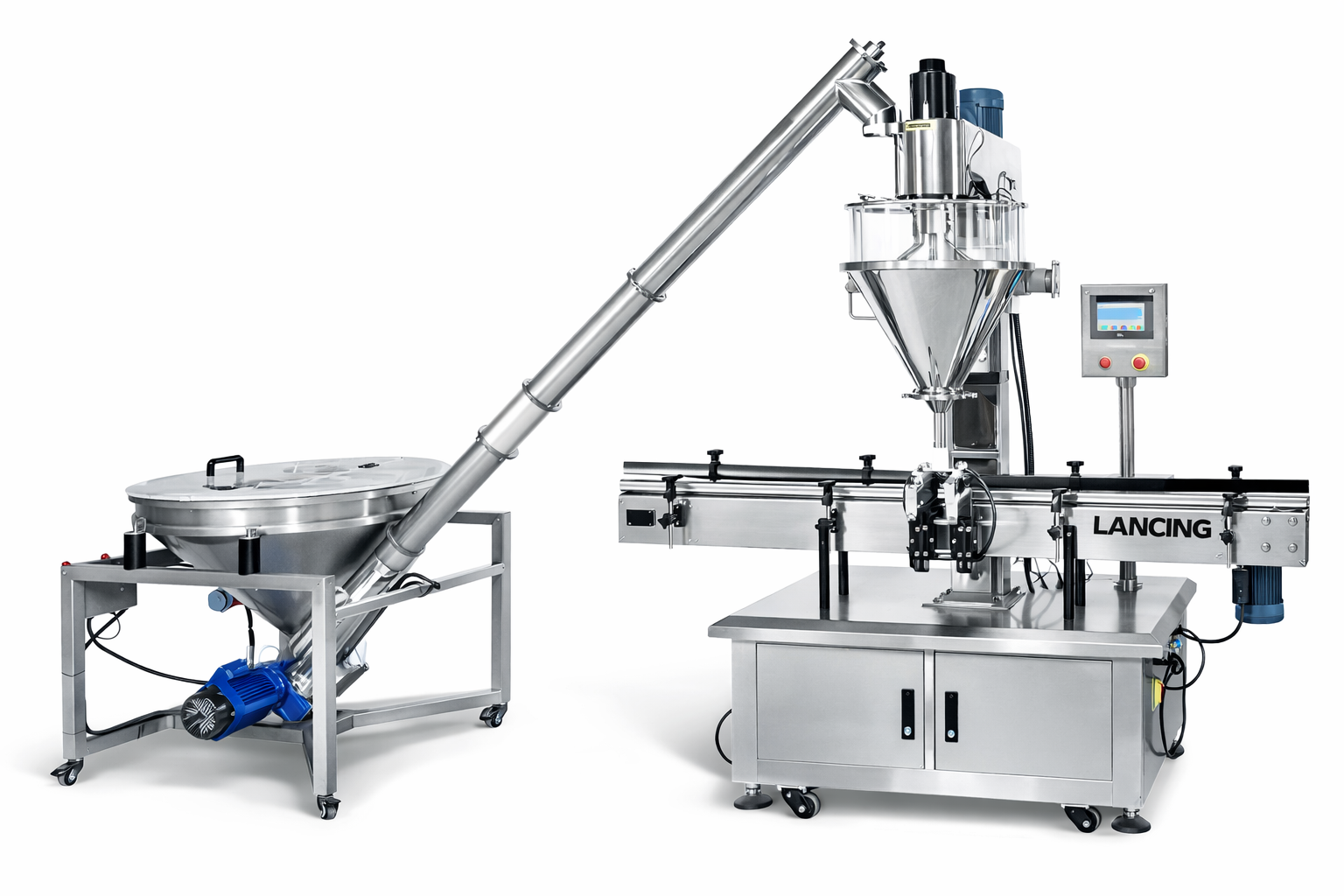
A monoblock combines several operations on one integrated machine platform, while a linked filling line connects separate machines through conveyors, transfers and coordinated controls. Either architecture can be suitable. Compare format range, access, changeover, maintenance, bypass, line balance and responsibility boundaries. A monoblock can reduce transfers; separate machines can provide more independent access or future rearrangement.
Which machine should set the filling-line speed?
The filling-line speed should be based on the sustainable accepted output of the constrained process and the agreed operating strategy, not automatically on the fastest or slowest catalogue rate. The controlling constraint may change by product or format. Use accumulation and line controls to manage short interruptions, then test the complete reference run with rejects and interventions recorded.
How are blocked and starved states handled in a filling line?
Blocked and starved states are handled by sensors and control logic that slow, hold or stop each machine in a defined sequence while protecting product, containers and safe restart. The filler must know when downstream space is unavailable and when no container is approaching. Timers, accumulation and state signals should be documented. Test transitions, not only stable running.
Where should rejected containers leave a filling line?
Rejected containers should leave at a controlled point where the relevant defect can be identified, the pack can be isolated safely and the reject cannot re-enter accepted production without an authorised decision. Some defects are detected after filling, closure, labelling or coding, so one reject point may not cover every risk. Define reject confirmation, bin-full behaviour, records and what the upstream line does when rejection is unavailable. Capture these requirements in the URS.