
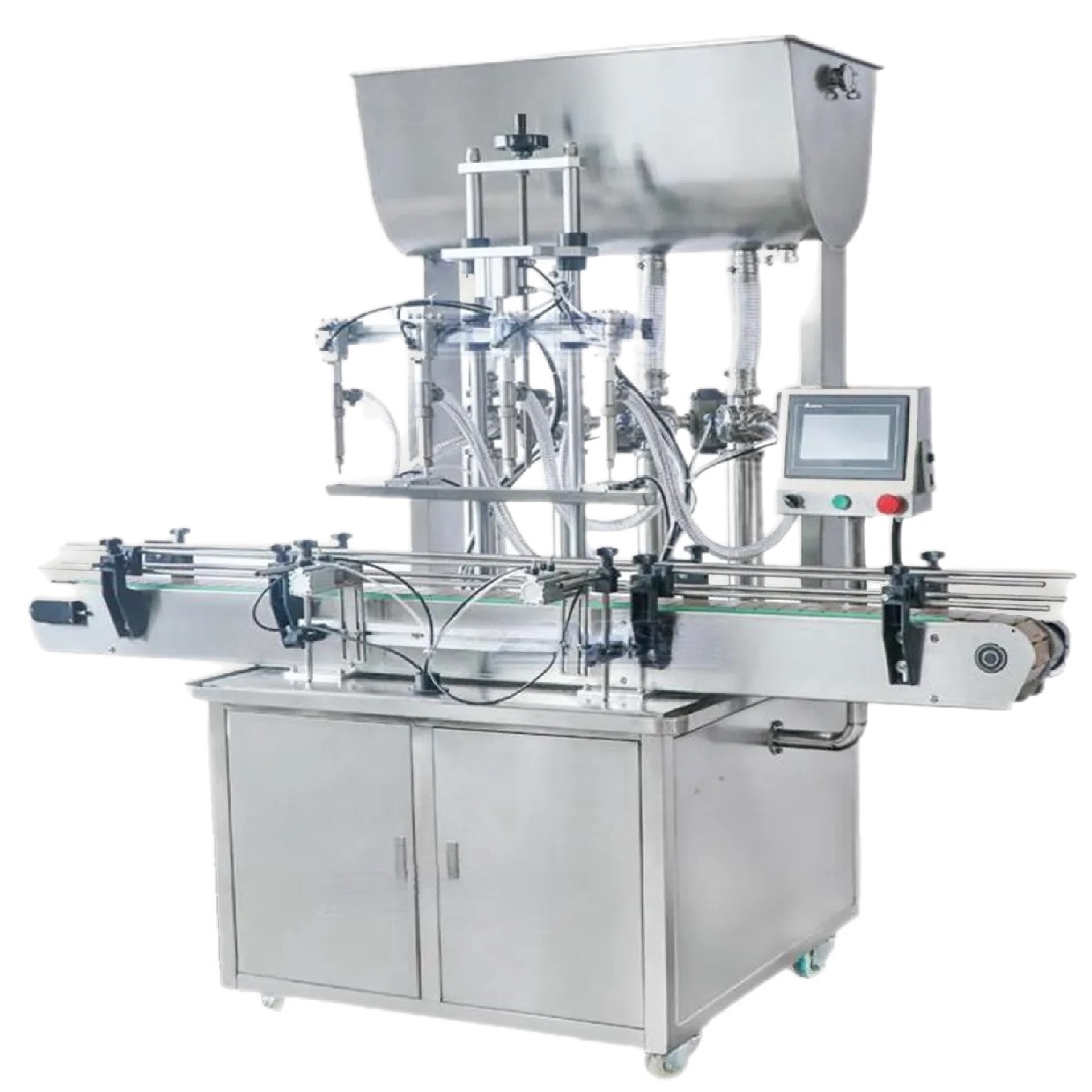
Key decisions
Confirm the complete installation boundary before delivery
- Survey the delivery route, final position, lifting method and maintenance access around the complete machine.
- Use the supplier utility schedule to confirm electrical, compressed-air and any product or cleaning services at the point of connection.
- Define product feed, return, drainage, waste and cleaning arrangements as part of the process—not as later site details.
- Freeze upstream and downstream elevations, conveyor direction, container datum and control interfaces before manufacture is complete.
- Plan competent installation, safety verification, commissioning material, operator availability and acceptance evidence.
Survey access from vehicle to final position
Record the narrowest door, corridor, turning point, lift capacity, floor loading concern and overhead obstruction on the complete delivery route. Compare these dimensions with the shipping split, centre of gravity and lifting instructions—not only the operating footprint. Identify where packaging can be removed and how each section will be moved safely.
At the final position, allow access for format change, cleaning, guarding, electrical panels, product-path removal and maintenance. A layout that fits the machine envelope but blocks a panel door or nozzle-removal route is not installation-ready. Check future access to adjacent equipment as well as the new filler.
| Site item | Information to confirm | Why it matters |
|---|---|---|
| Delivery route | Door and corridor sizes, turns, slopes, lifts, floor condition, overhead services and unloading area. | Determines shipping split, lifting equipment and safe movement method. |
| Machine position | Datum, line direction, conveyor height, working clearances and maintenance envelope. | Prevents interface and access conflicts after anchoring. |
| Electrical supply | Voltage, frequency, phases, protective device, isolation point, earthing and connection responsibility. | Allows the supplied electrical design to be checked against the site. |
| Compressed air | Pressure, quality, flow, connection and isolation at the machine. | Avoids unstable actuators and commissioning delays. |
| Product services | Bulk source, transfer pump, pressure/head, hose or pipe route, return and replenishment method. | Product feed can change dosing stability and control response. |
| Cleaning and waste | Water or cleaning services, drainage, spill containment, product recovery and waste route. | Determines safe and practical clean-down and commissioning. |
| Line controls | Emergency-stop boundary, permissions, blocked/starved signals, network and owner of each cable. | Prevents incompatible assumptions between machine suppliers. |
Treat product supply as part of the filling process
The dosing system cannot remain stable if product feed changes unpredictably. Define the bulk vessel, mixer status, transfer pump, hose or pipe diameter, elevation, head pressure, recirculation, filtration and replenishment method. For settling or temperature-sensitive products, identify how the site maintains representative condition before and during filling.
Where the machine has an integral hopper, confirm who fills it, from what source and with what handling aid. Operator lifting, spill risk, refill interruption and product exposure should be reviewed during the site risk assessment. The output-capacity guide should include replenishment time rather than treating it as external to production.
Close utilities and environmental conditions in writing
Use the machine-specific utility schedule and electrical drawings as the authority. Confirm actual services at the connection point, including isolation and cable or pipe ownership. Do not rely on a building-wide nominal supply when pressure drop, power quality, local protective devices or distance can affect the installation.
Review ambient temperature, wash-down, dust, corrosive atmosphere, ventilation and classified-area requirements where applicable. A product safety data sheet and competent site assessment may change the machine, electrical equipment or extraction needed. General guidance cannot replace a site-specific assessment.
Plan commissioning materials and people
Commissioning needs sufficient representative product, containers, closures, labels and cleaning materials for set-up, sustained running, adjustments, measurements and operator practice. Confirm who supplies each item, its delivery date and storage condition. Include waste containers and a route for non-saleable test packs.
Nominate operators, engineering support, quality personnel and decision-makers who can attend the relevant sessions. Training is more effective when the people who will run and maintain the machine take part in set-up, fault recovery, cleaning and changeover—not only observe a final demonstration.
Verify the installed condition before SAT
Before product is introduced, inspect machine condition, anchoring or levelling where specified, guarding, services, earth bonding, emergency-stop interfaces, container transfer and the approved software/configuration. Record any site changes made during installation and assess whether they affect previous factory evidence.
Use the FAT and SAT guide to separate outstanding installation items from functional acceptance. The commissioning record should show what was tested at site, what remains open and the exact production basis handed over to the user.
Site-readiness checklist for a filling machine
- Confirmed delivery route, unloading method and lifting responsibility.
- Approved machine position, line direction, datum and maintenance clearances.
- Verified electrical supply and local isolation at the point of connection.
- Verified compressed-air pressure, quality, capacity and connection.
- Defined product source, feed pressure, transfer, refill and return arrangements.
- Cleaning services, drainage, spill control, recovery and waste routes.
- Final upstream/downstream mechanical and control interfaces.
- Commissioning product, packs, staff, measurement tools and acceptance plan.