
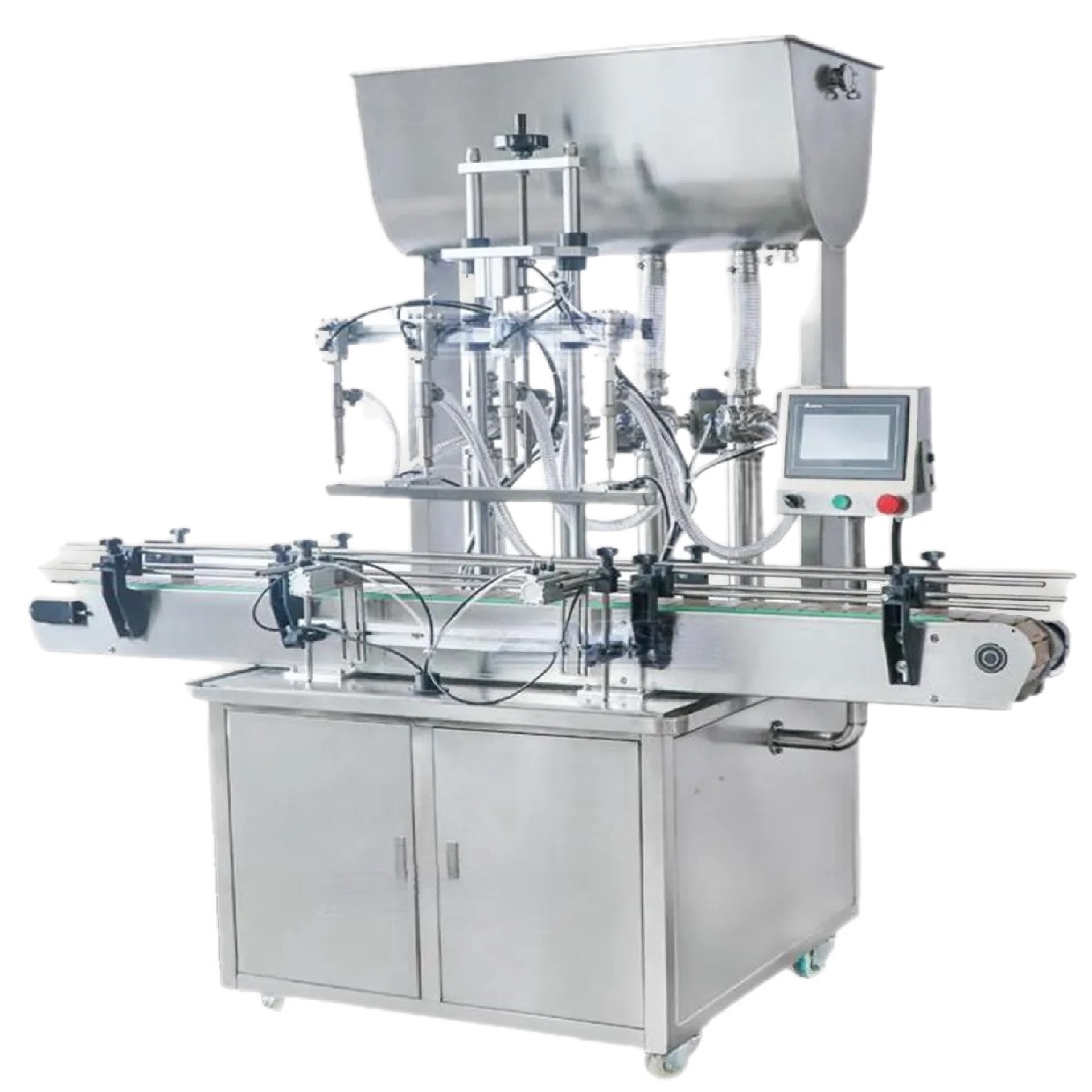
Direct answer
Decide which variable the process must control
- A level-based process aims to leave the liquid at a consistent height in compatible containers.
- A volumetric process aims to deliver a controlled volume or displacement, irrespective of visible level variation.
- Bottle internal volume and wall variation can make equal levels contain different quantities.
- Equal measured quantities can appear at different levels when the container geometry varies.
- Inspection can monitor the variable that the filling method does not directly control.
Why the distinction matters
A row of bottles with matching liquid levels can look consistent, but that appearance does not by itself prove that every bottle contains the same quantity. Conversely, a controlled volumetric dose can produce a visible level difference when bottles vary internally or the product retains bubbles.
The requirement should therefore be written in terms of the outcome that matters. If the commercial and legal requirement concerns quantity, define how quantity will be measured. If shelf appearance is also critical, define the acceptable level window and how it will be inspected. The filler, pack specification and inspection method then form one control plan.
| Question | Level filling | Volumetric filling |
|---|---|---|
| Primary controlled result | Liquid height relative to a container reference. | A measured volume or displacement. |
| Sensitivity to bottle internal volume | Quantity can vary with container capacity at the same level. | Visible level can vary even when the delivered volume is consistent. |
| Useful application condition | Compatible rigid containers where presentation level is a principal requirement. | Applications where a controlled dose is the principal process variable. |
| Additional check often required | Quantity verification where declared quantity matters. | Level or vision inspection where presentation matters. |
| Trial focus | Container capacity variation, foaming, neck geometry and final level stability. | Dose repeatability, product condition, nozzle shut-off and apparent level variation. |
What does level filling control?
Level filling controls the final liquid height in a compatible container by filling to a defined level or using a process that returns excess product once that level is reached. The exact mechanism depends on the machine type. Container neck geometry, sealing at the nozzle, rigidity, foam and product return behaviour can affect suitability. Level filling should be trialled with containers from the expected manufacturing range because identical outside dimensions do not guarantee identical internal capacity.
What does volumetric filling control?
Volumetric filling controls a measured volume or displacement delivered to each container using a calibrated dosing principle such as a piston, pump, peristaltic or other volumetric method. The result still depends on product condition, priming, feed pressure, entrained air, temperature and the measurement method used to verify the dose. “Volumetric” describes the controlled variable, not one universal machine design. Review the broader volumetric filling category alongside product trials.
Why can identical fill levels contain different volumes?
Identical visible fill levels can contain different volumes because bottles can vary in internal capacity, wall thickness, base shape and neck transition even when their external appearance is similar. Air bubbles and product retained on the wall can also make the observed level unstable. A level process should therefore be paired with a defined container specification and, where quantity matters, a separate quantity-verification method. The trial should use samples across the expected bottle manufacturing variation rather than one perfect batch.
When is visible fill level the main requirement?
Visible fill level is a main requirement when the pack is transparent, presentation consistency is commercially important and the container and product support a stable, repeatable level-based process. That does not remove the need to comply with the declared-quantity or internal quality requirements applicable to the product. Specify both the desired appearance and the independent method used to verify quantity. If the product foams or the bottle capacity varies substantially, a level target may need a settling period or an inspection stage.
Can quantity control and level inspection be combined?
Quantity control and level inspection can be combined by using a volumetric or gravimetric filling process and then checking the resulting liquid level with a suitable inspection method. This separates the controlled dose from the presentation check. A level inspection can identify missing, grossly underfilled or abnormal packs, but it should not be assumed to replace a calibrated quantity check unless the process validation supports that conclusion. Define reject handling and record what happens when the two results disagree.
Trial questions for level or volumetric selection
- Is the primary acceptance variable liquid level, volume, mass or declared quantity?
- How much do representative bottles vary in internal capacity and neck geometry?
- Does the product foam, retain bubbles, coat the wall or settle after filling?
- When is the result measured: immediately, after settling or after closure?
- Which inspection detects a wrong quantity, wrong level or missing fill?
- How will rejected packs be isolated and investigated?
Final suitability depends on the real product, pack, environment and integrated process. Use representative samples and agree the acceptance method before the machine design is fixed.