
Direct answer
Nozzle movement is a process variable, not a universal cure
- The nozzle must enter and withdraw without touching or destabilising the container.
- The nozzle outside diameter displaces volume and can raise the apparent liquid level while immersed.
- Withdrawal speed should follow the real fill profile rather than one fixed assumption.
- Product strings, drips and foam can still occur at the end of the dose.
- A trial should record nozzle position, fill time, foam height, pack cleanliness and settling.
How bottom-up filling changes product delivery
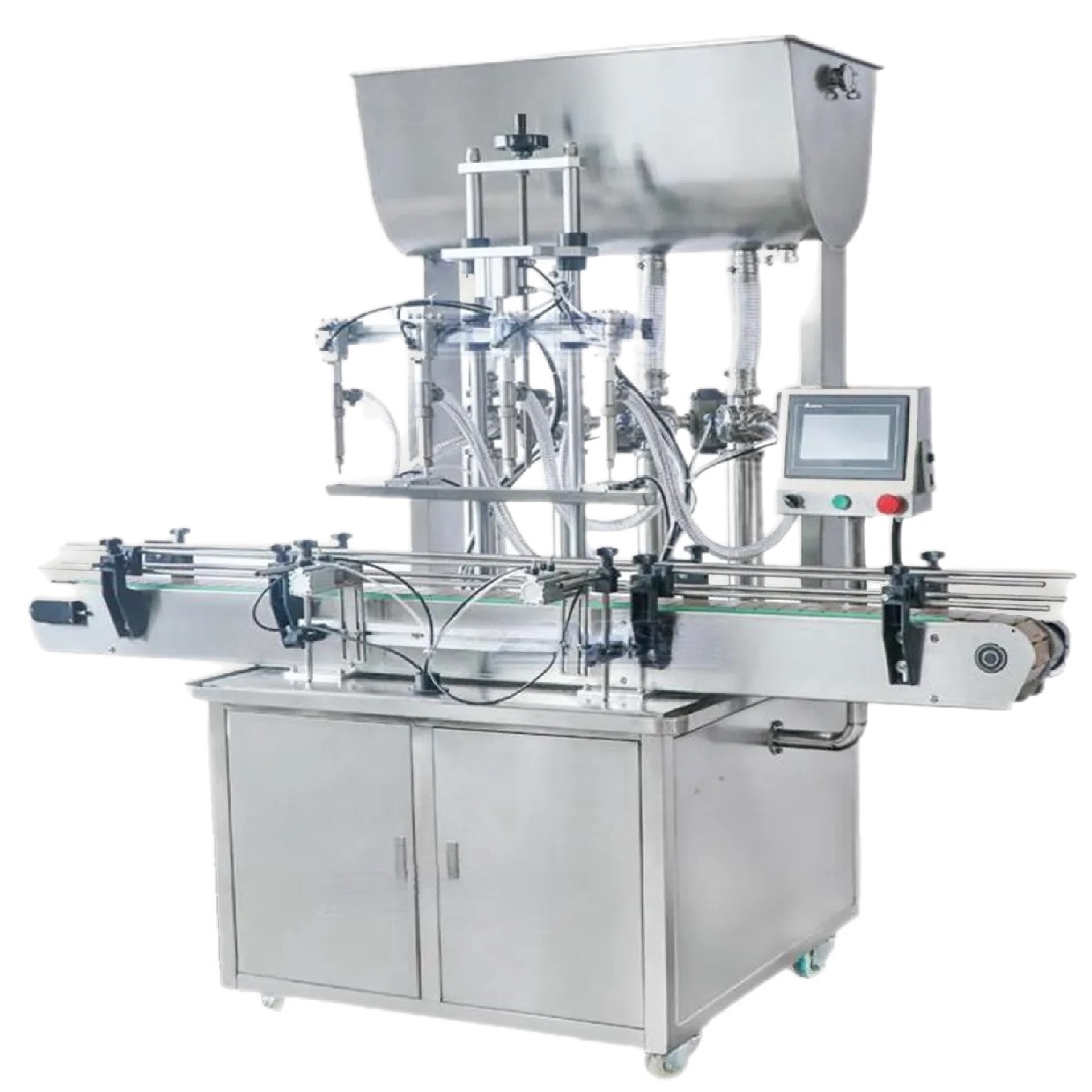
When product falls from a fixed nozzle near the container opening, the impact distance can increase splash and entrain air. A bottom-up sequence shortens that distance by starting closer to the base or existing liquid surface. As the dose proceeds, the nozzle rises according to a controlled profile.
The sequence must be matched to the container. Narrow necks, shoulders, internal bases, flexible walls and lightweight packs can limit entry or require support. The nozzle should not seal the opening unintentionally unless the process is specifically designed for that condition.
| Variable | Why it matters | What to observe in a trial |
|---|---|---|
| Nozzle entry depth | Controls free fall and risk of contact with the pack. | Clearance to base, walls, shoulders and neck. |
| Withdrawal profile | Should track the rising product surface without trapping or pulling product. | Foam, splash, strings and contact marks. |
| Nozzle displacement | Immersed metal occupies space and can alter apparent level. | Level immediately before and after withdrawal. |
| Container stability | Entry and product impact can move a light or narrow pack. | Tip, deformation, guide contact and repeatable neck location. |
| End-of-fill cut-off | Final shut-off can still create drips or strings above the product. | Pack rim cleanliness and residual product at the nozzle. |
What is bottom-up filling?
Bottom-up filling is a nozzle sequence in which the filling nozzle starts near the bottom of the container or close to the product surface and rises as the container fills. The motion can be driven by a lifting nozzle assembly or by moving the container relative to the nozzle. The correct travel and speed depend on dose, product flow, container height and the way the product level rises. It should be programmed as part of the recipe and verified at the minimum and maximum formats.
When can bottom-up filling reduce foam or splash?
Bottom-up filling can reduce foam or splash when a shorter free-fall distance and controlled sub-surface or near-surface delivery prevent the product from striking the container or liquid surface at excessive velocity. It cannot compensate for every source of foam. Air may enter through the product feed, pump, leaking connection or agitation. The fill rate and nozzle geometry may also need adjustment. Compare a fixed-nozzle and controlled-travel trial using the same product condition before attributing the result to nozzle movement alone.
Is bottom-up filling only for foaming liquids?
Bottom-up filling is not only for foaming liquids; it can also help with splash-prone products, products that coat the container wall or applications where controlled placement improves pack cleanliness. Some viscous products may benefit from starting close to the base, while others form strings that make withdrawal more difficult. Hazardous or reactive products require a separate competent process and safety assessment. The method should be selected from observed product behaviour, not from viscosity description alone.
Which container details control nozzle travel?
Container opening diameter, neck-centre position, shoulder profile, internal base, overall height, rigidity and stability all control the safe bottom-up nozzle path. Provide drawings and samples from the expected manufacturing range. Confirm whether the nozzle can enter without touching and whether the container can remain located while product is delivered. For multiple formats, identify which need nozzle travel and whether separate nozzles, centres or format settings are required.
What should a bottom-up filling trial record?
A bottom-up filling trial should record product condition, nozzle geometry, entry depth, withdrawal profile, fill time, foam or splash, settling, final quantity, pack cleanliness and any nozzle-to-container contact. Include start-up, normal running, pause and restart. Measure the result after the defined settling time, not only immediately at the machine. Use the least stable container and difficult product condition. The trial record should preserve the agreed recipe values so that the observation can be reproduced.
Information needed to specify nozzle travel
- Container drawing, opening diameter, neck-centre tolerance and internal height.
- Product sample at the expected temperature and aeration condition.
- Minimum and maximum dose and the required fill-time window.
- Observed foam, splash, wall coating, dripping or stringing problem.
- Nozzle clearance, outside diameter and permitted contact boundary.
- Measurement time after filling and any downstream closure delay.
Final suitability depends on the real product, pack, environment and integrated process. Use representative samples and agree the acceptance method before the machine design is fixed.