

What is the quickest way to narrow a filling-machine shortlist?
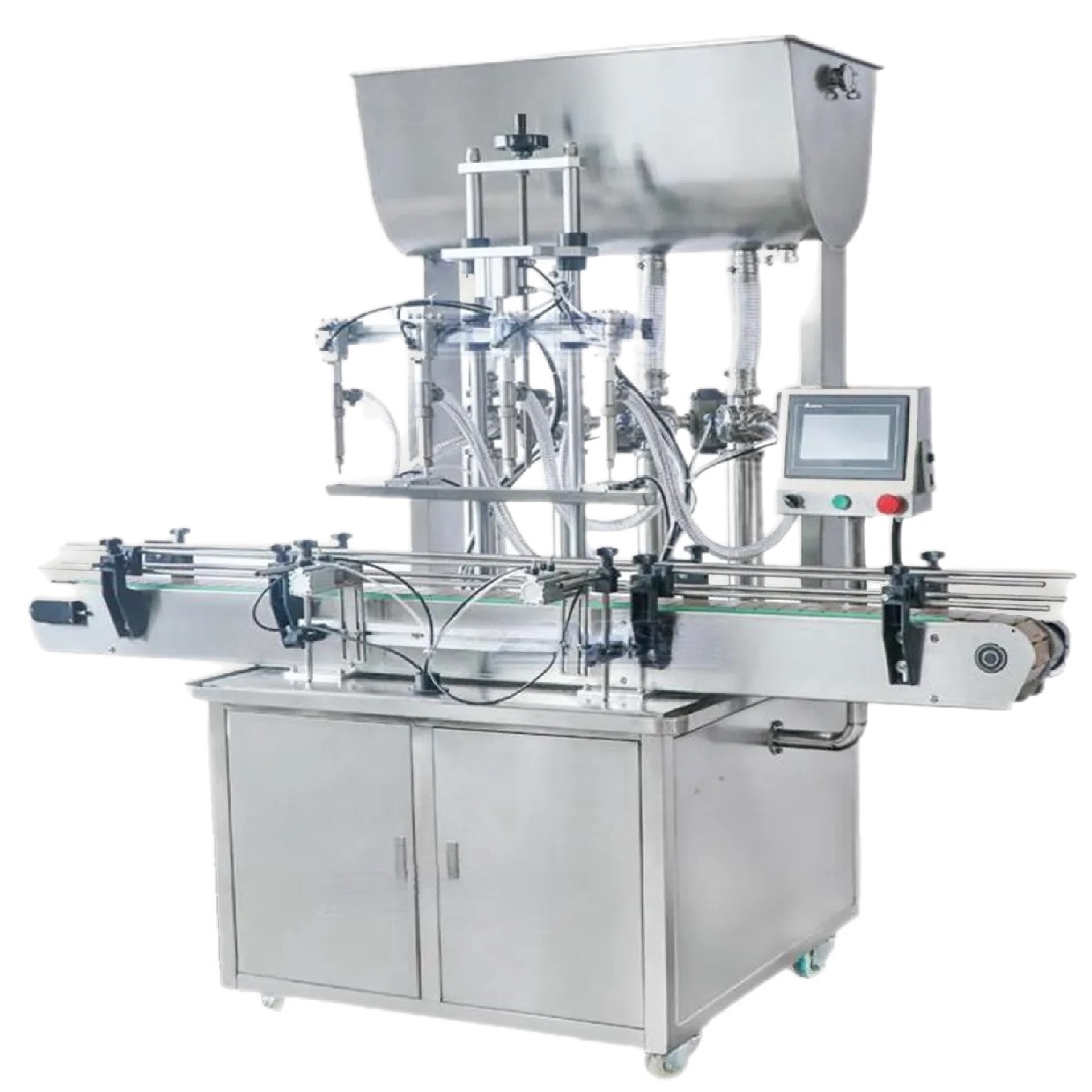
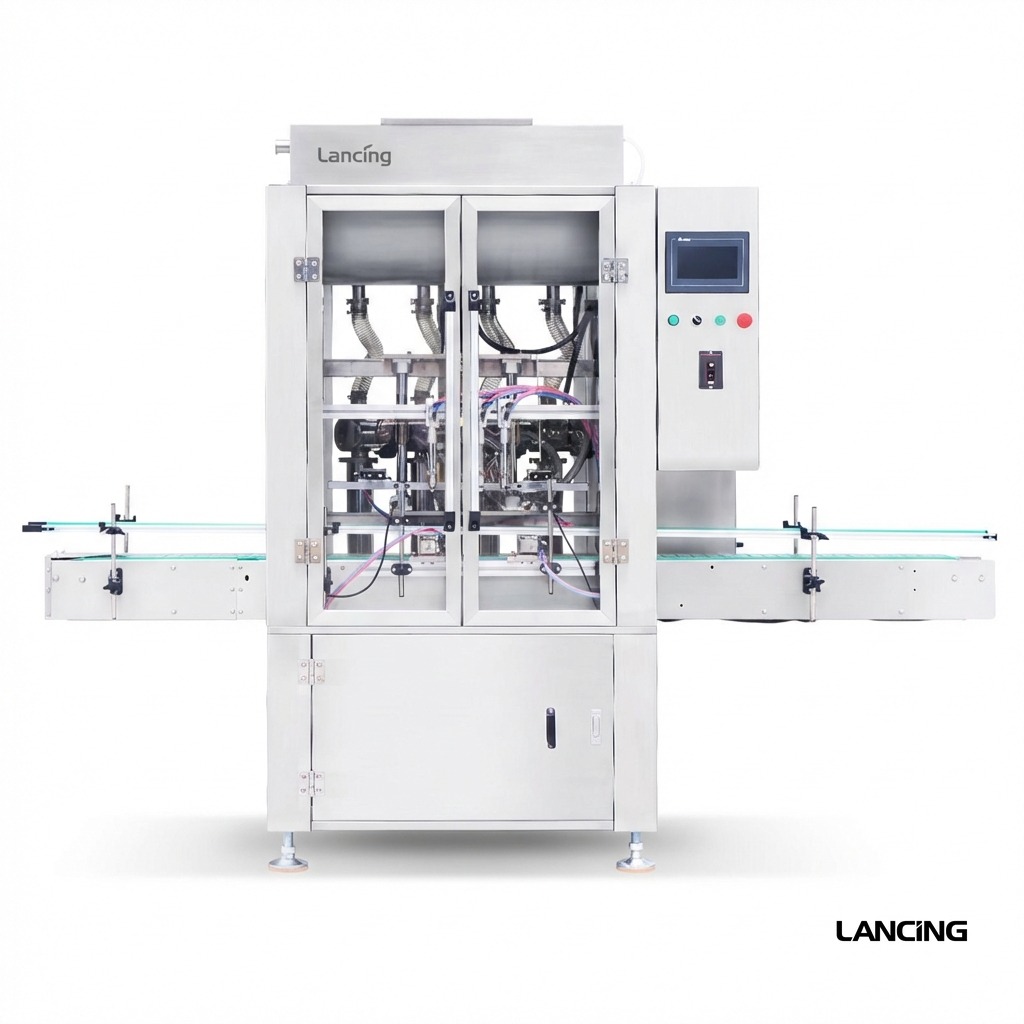
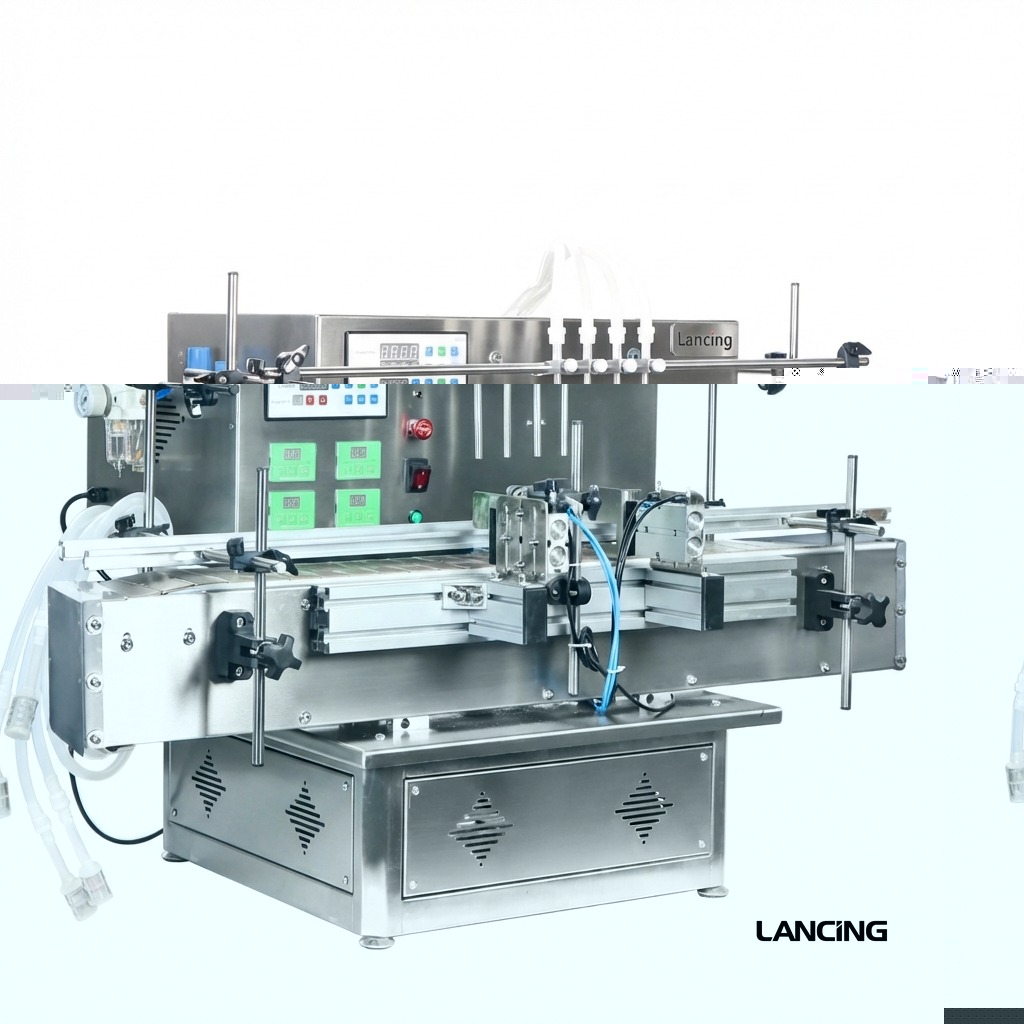
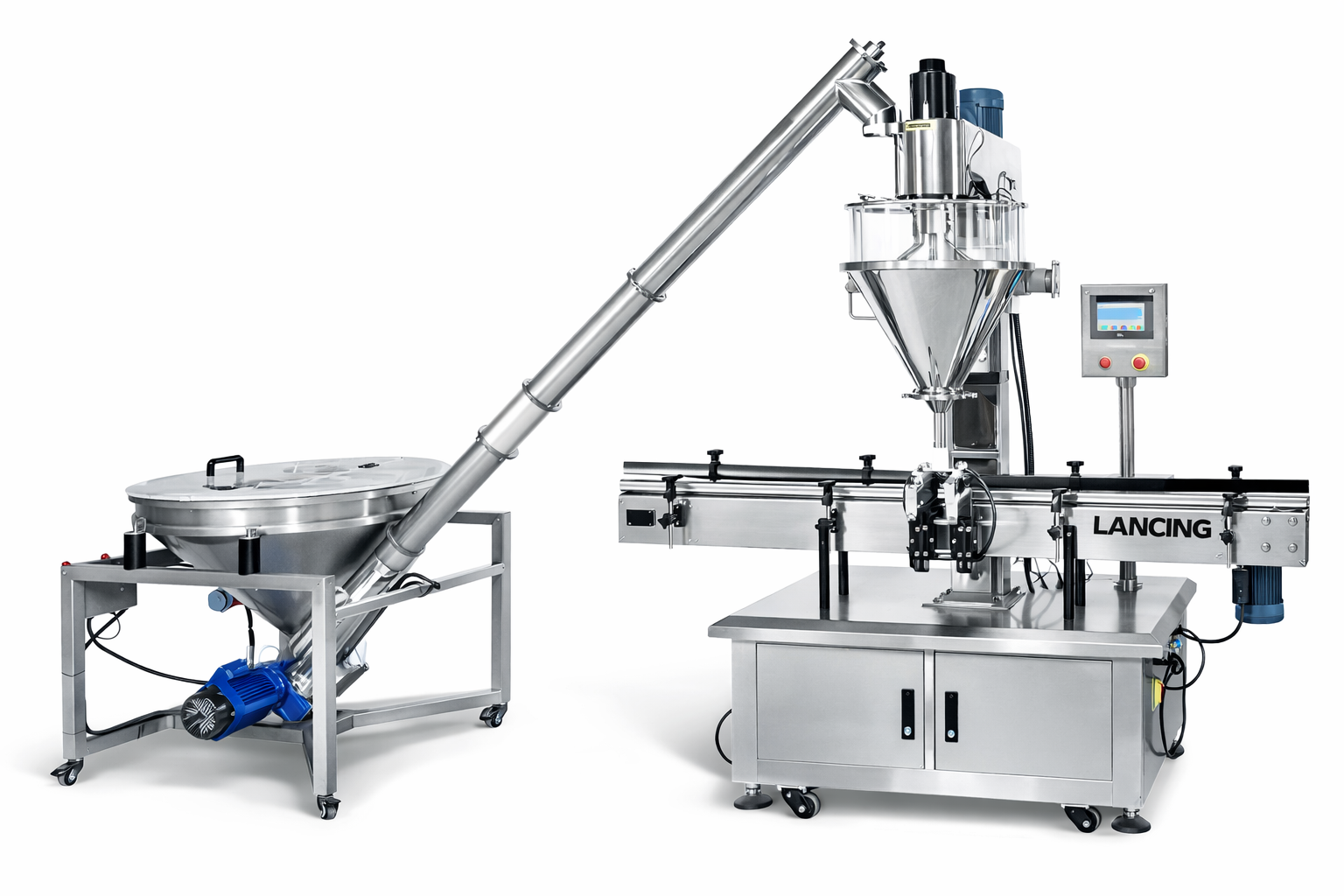
The quickest way to narrow a filling-machine shortlist is to define the product behaviour, minimum and maximum dose, container opening, accepted output, cleaning boundary and level of operator involvement before comparing machines. A short video and photographs help, but representative product and packs reveal issues that descriptions miss. Use the buyer-question resource to work through the variables in a controlled order rather than starting with nozzle count or price.
Which product detail is most likely to change the filler recommendation?
The product behaviour that most often changes the filler recommendation is the factor that limits controlled movement through the product path: viscosity, aeration, particles, foaming, temperature, chemical compatibility or dry-product flow. State the difficult condition rather than only the product name. A product can become thinner when warm, separate during a pause or contain occasional pieces larger than the nominal ingredient. The recommendation should be based on that operating envelope.
Can a filling-machine recommendation be made without physical samples?
A preliminary filling-machine recommendation can be made from reliable product and pack data, but physical samples are normally needed before the difficult performance and handling details can be confirmed. Samples allow the supplier to observe priming, feed, foam, stringing, particles, nozzle shut-off and container stability. When samples cannot be provided initially, the quotation should state which assumptions remain open and which evidence is required before design approval.
What should a buyer expect from a filling application review?
A filling application review should identify the controlled quantity, suitable dosing families, product-feed assumptions, container-handling method, cleaning boundary, integration interfaces and the evidence still needed for selection. It should not be only a catalogue recommendation. The useful output is a clear scope, trial plan and list of assumptions or exclusions that can later be traced into the quotation, user requirement specification and acceptance tests.